Home / Choosing Kitchen Cabinets for a Riverside Remodel
Choosing Kitchen Cabinets for a Riverside Remodel
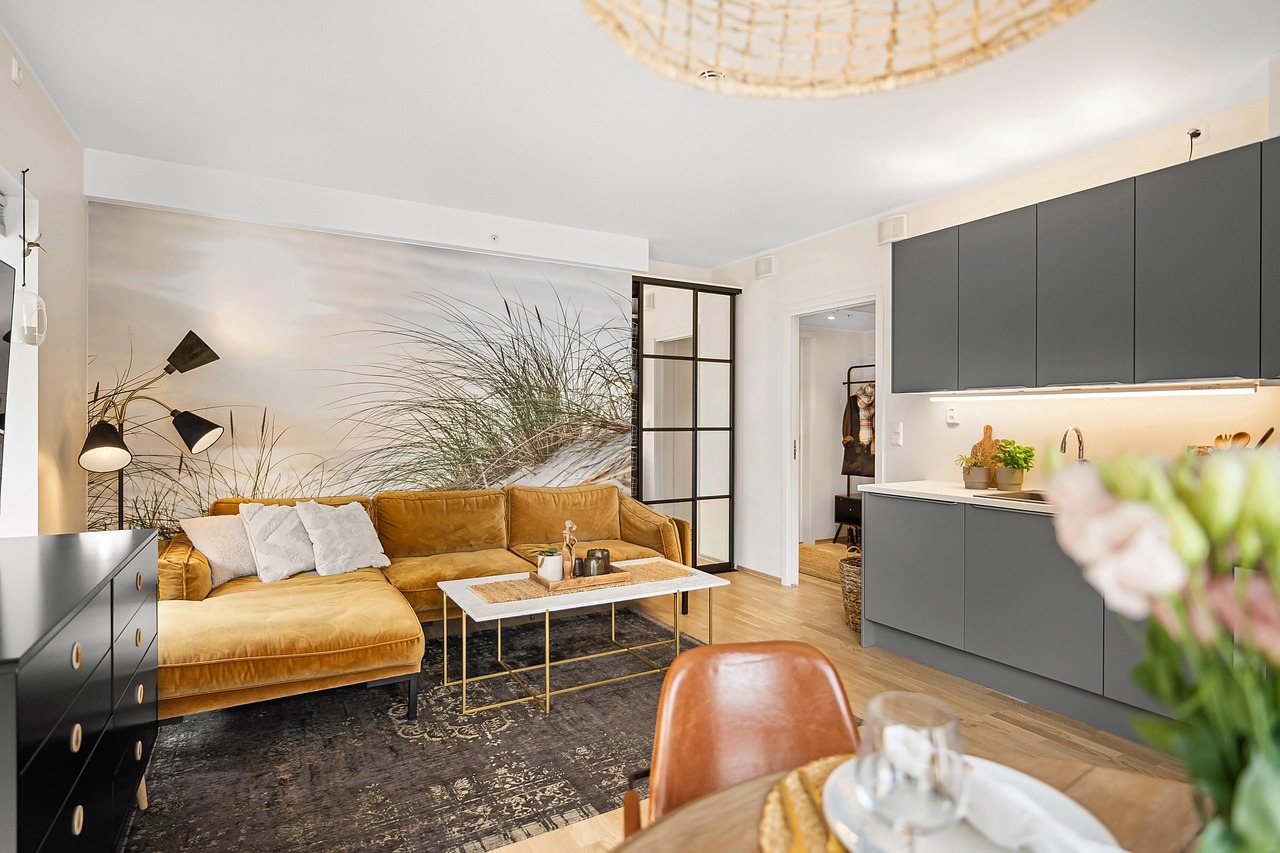
Picture a homeowner on a quiet block in the Wood Streets standing in a kitchen built decades ago. The original cabinets have been painted three or four times, the drawers stick in August, and one upper door no longer closes flush. The plan is to replace everything, yet the first showroom visit produces a dozen unfamiliar words: face frames, full overlay, inset, euro hinges, plywood boxes, thermofoil. This article walks through those choices with Riverside houses and Riverside weather in mind, so the decision comes down to fit rather than guesswork.
Start With the Box, Not the Door
Most people choose cabinets by looking at doors, because the doors are what you see. The box behind the door matters more over the long run. It carries the countertop, holds the sink, supports heavy dishes and decides how much usable space sits inside each run.
There are two basic ways a cabinet box is built. A framed cabinet has a solid wood face frame glued and fastened to the front edge of the box. Doors and drawers hang on or inside that frame. A frameless cabinet, sometimes called European style, skips the frame entirely. The box sides are thicker, and the doors mount directly to them with concealed hinges.
What framed construction gives you
- A stiff front that resists racking, which helps during installation on walls that are not perfectly flat, a common condition in older plaster homes.
- The option of inset doors, where each door sits inside the frame opening and closes flush with it.
- A traditional look that matches the trim and built ins many older Riverside bungalows still have.
What frameless construction gives you
- Slightly wider drawer and shelf openings, since no frame stile narrows them.
- Clean, continuous door faces with small, even gaps, suited to modern or minimal kitchens.
- Simpler access to deep corners and lower pullouts, which pays off in compact kitchens where every inch counts.
Neither type is better across the board. A framed box tends to suit a period restoration, while frameless often suits a ranch house in Canyon Crest being reworked into an open plan.
Door Styles That Respect a Craftsman Kitchen
The Wood Streets, and other early twentieth century pockets near downtown, hold many Craftsman and bungalow houses. These homes have strong original character: wide casings, simple rectangular forms, and woodwork that favors honest joinery over ornament. Cabinet doors that clash with that character can make a new kitchen feel like it was dropped in from somewhere else.
A few door styles tend to blend well:
- Flat recessed panel (Shaker style). A plain frame around a flat center panel. It reads as simple and sturdy, which fits Craftsman lines closely.
- Inset doors on a face frame. The most period appropriate option, though it asks for careful fitting and accepts small seasonal gaps.
- Quarter sawn oak or painted finishes. Oak echoes the stained woodwork many bungalows still keep. Painted finishes in muted greens, creams or deep blues also suit the era.
- Exposed hinges or simple bin pulls. Hardware with a hand forged or cast look ties the cabinets to the rest of the house.
Raised panel doors with heavy arches, glossy slab doors and ornate applied molding tend to fight the style. That said, a homeowner who wants a contrast between old house and new kitchen can make it work by keeping the cabinet layout simple and letting the original window and door trim carry the period feel.
Homes influenced by the Mission Revival style that the Mission Inn made famous around town call for slightly different cues. Warmer wood tones, iron or bronze hardware and plaster colored painted cabinets look at home beside arched openings and terracotta floors.
Dry Inland Air and How Wood Moves
Riverside sits in a semi-arid part of the Inland Empire. Summers are hot and dry, and humidity indoors can drop low for long stretches, especially when air conditioning runs all day. Winter brings some rain and slightly damper air. Solid wood responds to those swings by shrinking and swelling across its grain, and that movement shows up first in cabinet doors.
What that means for door construction
A solid wood slab door is the most likely to warp or crack in a dry climate, because one wide board moves as a single piece. Five piece doors, made of a frame with a floating center panel, handle movement much better. The center panel sits loose in a groove and can expand or contract without stressing the frame.
Painted five piece doors bring one common side effect. In dry months, the floating panel shrinks slightly and can expose a thin unpainted line at its edge. Good shops paint or prefinish panels before assembly so that line stays colored. It is worth asking about this directly.
Box materials and the climate
- Furniture grade plywood holds screws well and tolerates the occasional leak under a sink better than most alternatives.
- Medium density fiberboard is very stable and makes a smooth base for painted doors, though it swells badly if water gets into a raw edge.
- Particleboard keeps costs down and stays flat, but it is the most vulnerable to moisture and has weaker screw holding.
Because the air here is dry most of the year, stability is rarely the issue for boxes. Water from the sink, dishwasher or a failed supply line is the bigger threat, so the sink base deserves the most durable material in the kitchen.
Let new cabinets acclimate
Cabinets built or stored elsewhere should sit in the house, with the air conditioning running at its normal setting, for several days before installation. That gives the wood time to settle to Riverside conditions before doors are adjusted. Doors set perfectly on day one and then left alone through the first summer often need a hinge tweak by fall, which is normal.
Finishes That Hold Up to Sun and Heat
Kitchens with west facing windows take strong afternoon sun for much of the year. Ultraviolet light darkens cherry, yellows some clear coats, and can fade painted surfaces unevenly, so doors that sit in direct sun change faster than doors in shade.
- Catalyzed lacquers and conversion varnishes resist wear and heat better than basic finishes.
- Thermofoil, a vinyl skin wrapped over fiberboard, can peel when exposed to repeated heat from ovens or sun, so it suits shaded spots better than the run beside a range.
- Window film or shades on the hottest windows protect cabinets as well as furniture and flooring.
Plan the Inside as Carefully as the Outside
A new set of boxes is the chance to rethink storage. Riverside kitchens in older homes are often narrow, with limited wall space, so the interior layout has to work hard.
- Swap lower doors for drawers where possible. Deep drawers hold pots and dishes and save bending to reach the back of a dark shelf.
- Use full height pantry cabinets on a wall without windows. Pullout shelves inside keep cans and dry goods visible.
- Give corners a real solution. Blind corner pullouts, lazy Susans or simple diagonal cabinets beat a dead corner that collects forgotten pans.
- Run uppers to the ceiling in rooms with standard ceiling heights. The top row holds seasonal items and removes the dust shelf above the cabinets.
In a home in Arlington Heights with a larger footprint, an island with drawers on the working side and open shelving on the seating side can take pressure off the perimeter cabinets.
Stock, Semi Custom and Custom
Cabinets come in three broad levels of flexibility.
- Stock cabinets come in fixed sizes, usually in three inch steps, with a limited choice of finishes. Filler strips close the gaps at walls.
- Semi custom lines offer more sizes, finishes and interior options, with some ability to change depth or height.
- Custom cabinets are built to the exact room. They are the natural pick for odd wall lengths, sloping floors and the irregular openings common in century old houses.
Older homes near Mount Rubidoux or along the river side of town have often settled over decades, so walls lean and floors slope. Custom or semi custom boxes with scribe strips handle those conditions better than rigid stock sizes.
Questions to Ask Before You Order
- Are the doors five piece with floating panels, and are panels finished before assembly?
- What material is the sink base, and is the bottom protected against leaks?
- Do the hinges and drawer slides adjust in three directions?
- Is the finish rated for kitchen use, and how does it handle sun and oven heat?
- How long should the cabinets acclimate in the house before installation?
A kitchen remodel in Riverside lives through long dry summers, bright afternoons and the occasional plumbing surprise. Cabinets chosen with those conditions in mind, and matched to the age and style of the house, stay square, quiet and good looking for many years.