Home / Countertops for Riverside Kitchen Remodels
Countertops for Riverside Kitchen Remodels
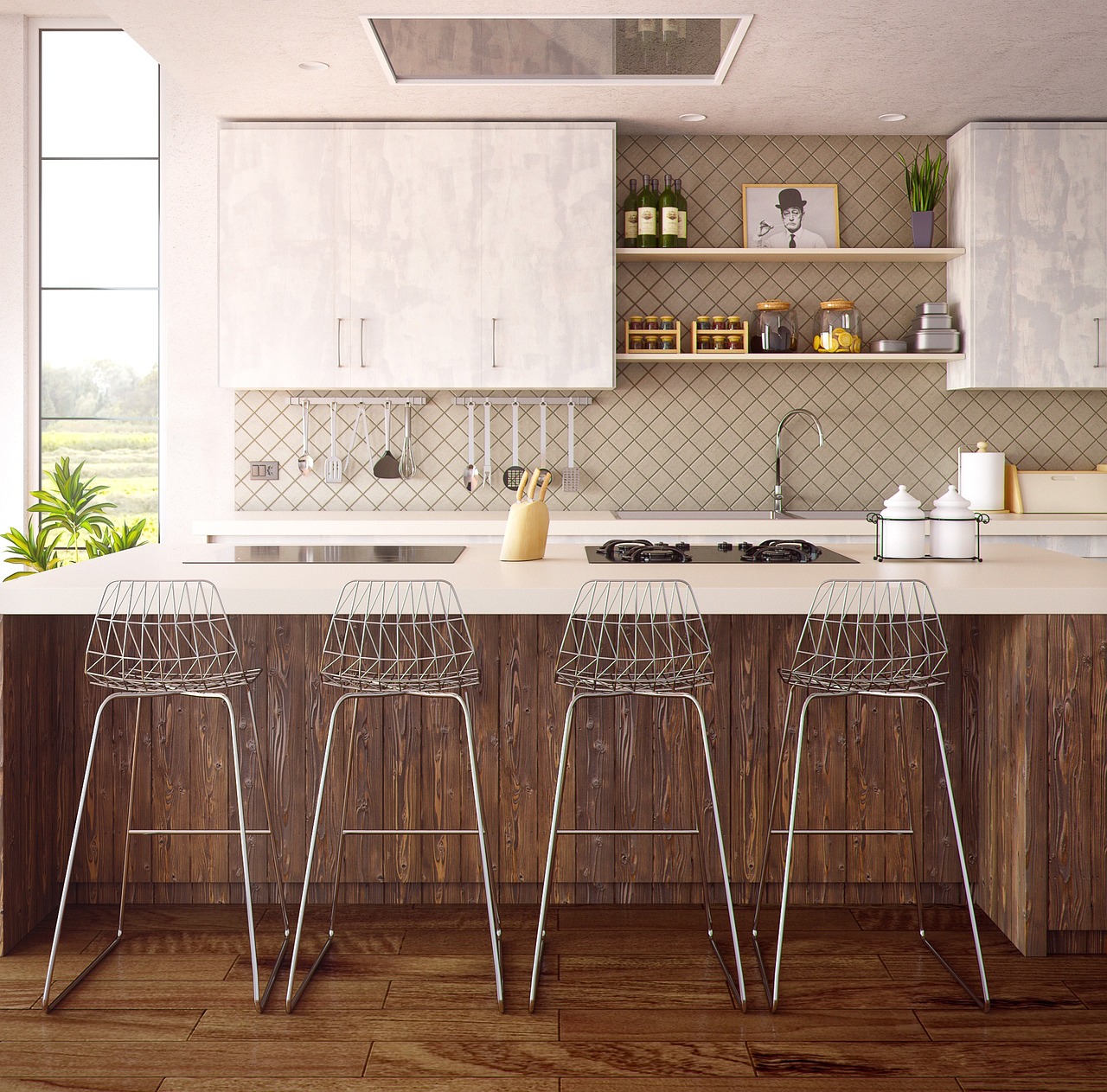
The short answer: for most Riverside kitchens, quartz and granite are the two surfaces that handle daily cooking, hard water and bright inland sun with the least fuss. Tile and solid surface still earn a place in certain rooms and budgets. Which one wins in a given house depends on where the sink sits, how much afternoon light hits the counters, how the household cooks and what the rest of the home looks like. The sections below break those factors down one at a time.
Four Common Countertop Materials Compared
Quartz
Quartz counters are engineered slabs made mostly of ground stone bound together with resin and pigment. Because they are manufactured, the color and pattern stay consistent from one end of the kitchen to the other, and many designs imitate marble veining without marble's softness.
- Nonporous, so it does not need sealing and resists staining from coffee, wine and cooking oil.
- Hard and chip resistant on flat areas, though thin edges and corners can still chip on impact.
- The resin binder is the weak spot for heat. A pan straight from a burner can scorch or discolor it.
- Some quartz products are not rated for outdoor use or long sun exposure, because ultraviolet light can shift the resin color over time.
Granite
Granite is quarried natural stone cut into slabs. Every slab differs, with flecks, swirls and mineral veins that cannot be repeated.
- Tolerates heat well, which suits households that move pots around quickly.
- Generally unaffected by sunlight, so it is a strong choice beside large west facing windows.
- Somewhat porous depending on the stone. Lighter granites in particular benefit from periodic sealing.
- Choosing the actual slab in person matters, because samples rarely show the full movement of the stone.
Ceramic and porcelain tile
Tile counters were standard in many Inland Empire houses built in the middle of the last century, and plenty of Riverside ranch homes still have them. Modern large format porcelain makes a cleaner surface than the small square tiles of that era.
- Very heat tolerant and inexpensive to repair one tile at a time.
- Grout lines collect grime and can stain unless they are sealed or filled with a stain resistant grout.
- Uneven surfaces make rolling dough or setting glasses less stable.
- A good fit for a period restoration where vintage tile is part of the character.
Solid surface
Solid surface counters are acrylic or polyester sheets that can be joined with nearly invisible seams and formed into integrated sinks.
- Seamless look, with sink and backsplash able to flow from the same material.
- Scratches and minor burns can often be sanded out.
- Softer and less heat tolerant than stone, so trivets are a must.
- Works well in laundry rooms, bathrooms and lower traffic kitchens.
Hard Water Around the Sink
Much of the water across Riverside County is hard, carrying dissolved calcium and magnesium. When splashes dry on a counter, those minerals leave cloudy rings and crusty deposits, especially around the faucet base and the edge of the sink.
Each material reacts differently:
- Quartz shows white spots on dark colors but wipes clean easily, since minerals cannot soak in. Avoid harsh acidic descalers that can dull the resin.
- Granite can trap minerals in its pores if the seal has worn off. Keeping the area around the sink sealed makes cleanup simpler.
- Tile collects scale in grout joints, which are hard to clean once deposits build up.
- Solid surface tolerates mild cleaners well, and light scale marks can be buffed out.
Practical habits help with any surface: wipe the area around the faucet dry after heavy use, keep a soft towel near the sink, and consider a whole house softener or a filter at the kitchen tap. Choosing a lighter or speckled pattern near the sink also hides spotting better than a solid black slab.
Undermount, drop in and integrated sinks
An undermount sink lets you sweep crumbs and water straight from the counter into the basin, with no rim to trap residue. It needs a stone or solid surface counter with a finished edge around the cutout. A drop in sink, whose rim sits on top of the counter, works with any material but leaves a lip where hard water deposits collect. Solid surface allows an integrated sink with no seam at all.
Sunlight Through Kitchen Windows
The inland valleys of Southern California get long hours of strong sun. Riverside kitchens with large windows over the sink or a slider facing the yard can send direct light across the counters for hours each afternoon.
Natural granite holds its color under that light. Many quartz products can slowly yellow or fade if left in direct sun day after day, and the change may show as a difference between a sunny section and a shaded one. Before committing to quartz in a bright kitchen, check the manufacturer's guidance on ultraviolet exposure and plan window treatments for the hottest part of the day.
Heat from sun can also make dark counters uncomfortably warm to the touch in summer. Lighter colors stay cooler and show less dust.
Edge Profiles and How They Wear
The edge of a countertop is where people lean, where pans bump, and where small kids reach. The profile affects both looks and durability.
- Eased edge. A square edge with the sharp corners slightly softened. Clean, modern and fairly chip resistant.
- Half bullnose. Rounded on the top edge and flat below. Gentle on hips and forearms and simple to wipe clean.
- Full bullnose. Rounded top and bottom. Lets spills roll off the edge rather than pooling, though drips can then reach the cabinet doors.
- Bevel. An angled cut along the top corner. Adds a crisp line without much fragility.
- Ogee. A decorative S shaped curve. Suits traditional kitchens but the fine details chip more easily and trap crumbs.
For quartz, an eased or half bullnose edge resists chipping best. Granite handles nearly any profile, though ornate ones raise fabrication time. Thicker counters look substantial, while thinner slabs suit a modern look and save weight on older cabinets.
Matching Counters to the House
A Mission Revival influenced home near the Mission Inn district pairs naturally with warm granites, honed stone or handmade tile. A Craftsman house in the Wood Streets often looks right with soapstone colored or muted matte surfaces that do not compete with stained woodwork. A remodeled ranch house in Canyon Crest or Arlington Heights opens up to bolder quartz patterns, waterfall island ends and larger slabs.
The cabinet color, floor and backsplash should all be viewed together. Bring a cabinet door sample to the slab yard, or lay quartz samples on the existing floor in the light the kitchen actually gets.
Seams, Overhangs and Support
- Seams are inevitable in longer runs and L shaped layouts. Ask where they will fall, and keep them away from the sink and cooktop when possible.
- Overhangs for seating need proper support. Heavy stone with a deep overhang requires brackets or a steel bar hidden underneath.
- Cabinet strength matters for stone. Older or lightly built cabinets may need reinforcing before a heavy slab goes on.
- Templates should be taken after cabinets are installed and leveled, never from drawings alone.
A Quick Way to Decide
If the kitchen gets heavy sun and the cook moves hot pans often, granite is a safe choice. If low maintenance and a consistent pattern matter most and the counters sit out of direct sunlight, quartz is hard to beat. If the house is a period home with vintage character, tile or honed stone may suit it best. If seamless lines and an integrated sink are the goal, solid surface delivers them. Any of these can work well in a Riverside kitchen remodel once it is matched to the light, the water and the way the household actually cooks.