Home / Linen Cabinets
Linen Cabinets
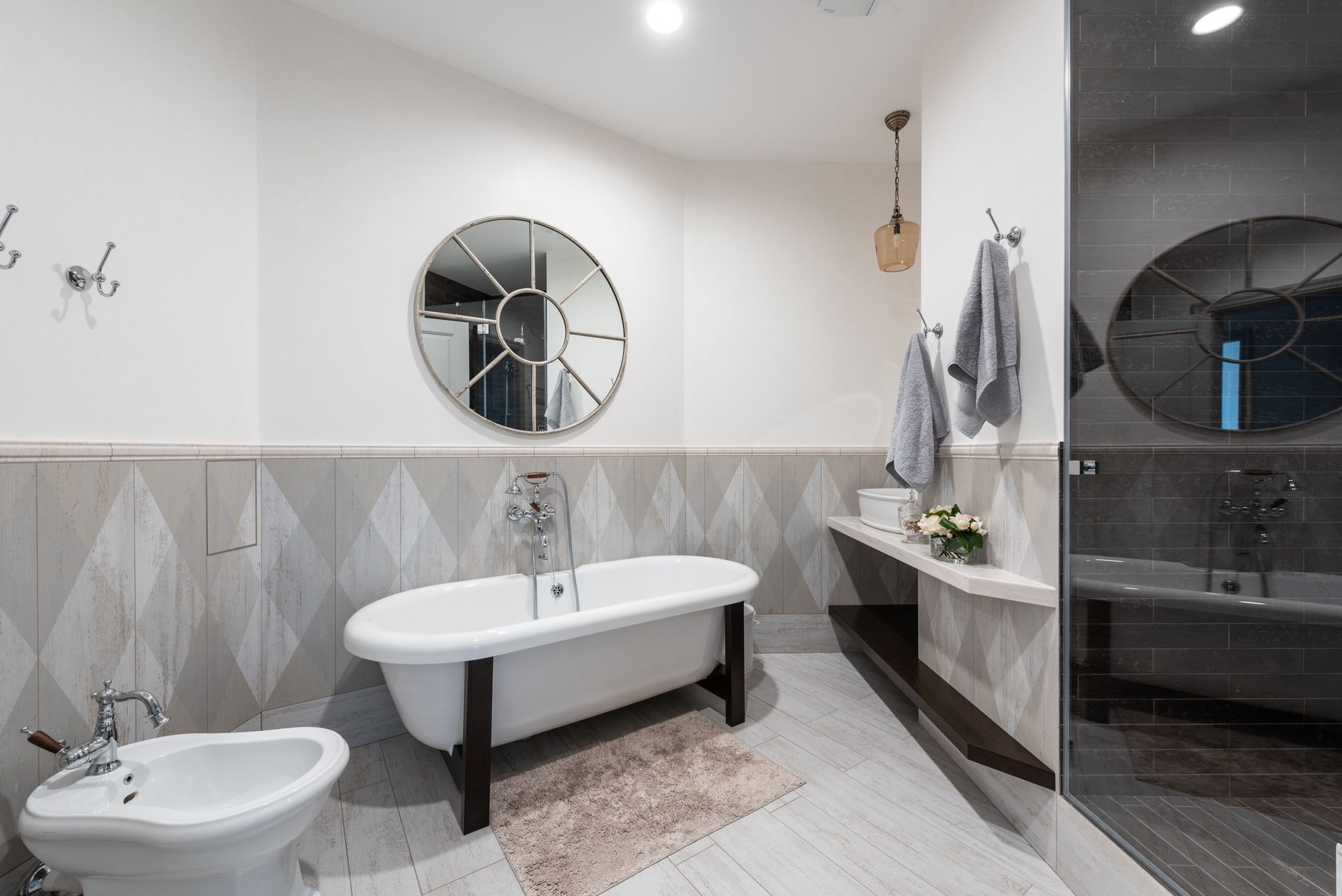
The tall piece that keeps towels off the floor
Bathrooms accumulate more than their size suggests. Towels, washcloths, spare toilet paper, cleaning supplies, extra soap and a first aid kit all need a home that is not the bathroom counter. A linen cabinet, a tall narrow unit that stands on the floor and rises toward the ceiling, answers this with vertical space. Because the footprint is small, it fits into rooms where a wider cabinet would crowd the doorway.
What counts as a linen cabinet
The name is historic, but the form is simple: a tall cabinet, usually between a foot and a foot and a half wide, with shelves behind one or two doors. Heights vary. A short version stands about waist to chest high and sometimes carries a top that works as a ledge. A full height tower rises to roughly the height of a standard wall or beyond, and a few reach near the ceiling. Choose the height based on what you want to reach daily and what you are willing to retrieve with a step.
Some linen units stand alone as furniture. Others are built in as part of a vanity run, a recessed wall niche or a closet like alcove, which blends with the room.
Choosing the depth
Depth is where small bathrooms win or lose. A deep cabinet holds more, but it also steals floor space that a person needs to walk or stand. Standard bathroom cabinets run shallow, often around eight to twelve inches, which is enough for folded towels and toiletries. A kitchen style depth of twenty four inches is generally too deep for a bathroom and leaves items lost at the back.
Think about what will live inside. Towels folded in thirds need about ten to twelve inches of depth. Bulk packs of tissue take more. Storing wide baskets raises the requirement further. A depth that matches the items, with no more room than needed, prevents the back of the shelf from becoming a graveyard of forgotten bottles.
- A shallow unit keeps the passage clear and is suitable for narrow rooms.
- A deeper unit suits a larger bathroom or a hall nearby.
- A shallow unit with pull out baskets can use space well by bringing items forward.
Doors that suit the room
The door arrangement shapes daily use. A hinged door is the common choice, but its swing needs clearance. In a tight bathroom, a door that opens into the traffic path, toward a toilet or against a shower door, becomes a nuisance.
- Single hinged door. Simple and cost effective. Choose the hinge side so the door opens away from the room's main path.
- Double doors. Each door is narrower and swings less, but a pair opens a wide view. Good where a single door would hit something.
- Sliding doors. No swing at all, useful in cramped quarters. They show only half the interior at a time.
- Open shelving with baskets. No doors, with a casual look. It displays towels attractively and shows clutter if neglected.
- Glass doors. Allow a view of tidy contents. Frosted glass hides what is inside.
Soft close hinges quiet the door, and magnetic or touch catches keep it shut without bumping.
Shelf layout inside
Fixed shelves are sturdy, but adjustable shelves adapt as needs change. Look for shelf pin holes at close intervals, which allow the shelf height to move in small steps. A tall tower often works best with different zones: towels on the middle shelves at an easy height, heavier or less used items on the bottom, and light, seldom used items at the top.
Wire baskets and pull out trays help in a narrow cabinet. A pull out bin for cleaning supplies keeps bottles upright. A hamper slide near the bottom is a handy use of the lowest space. A shelf of woven baskets groups small items so they do not roll around.
Materials and humidity
Bathrooms are damp, and cabinet material matters. Solid wood and plywood with a protective finish handle moisture better than particleboard, which swells at exposed edges. Painted finishes should be well sealed, including the inside and the bottom edge. Thermofoil and laminate faces resist moisture but can peel where heat or steam attacks the glue. A cabinet near a shower benefits from a feet or toe kick that lifts it off the floor, so a wet floor never touches the base directly.
Ventilation helps, too. Towels that are still damp can harbor mildew when sealed in a closed cabinet. Letting them dry before folding them inside and running an exhaust fan keep the interior fresh. A cabinet with slatted or ventilated panels adds airflow for this purpose.
Placement choices
Where a linen cabinet goes changes how well it works. Near the shower or tub, it keeps towels within reach when stepping out. Beside the vanity, it creates a continuous line of storage. In a hallway just outside the bathroom, it frees space inside the room, which suits a tiny bath. In a wall niche, it sits flush and avoids sticking out at all.
- Avoid the side of a shower where direct spray lands on the doors.
- Avoid the swing path of the bathroom door.
- Keep it clear of heat registers, which can warp finishes and dry out wood.
- Check the position of outlets and switches before the unit is set.
Built in or freestanding
A freestanding cabinet can be bought, carried in and moved later. A built in tower, matched to the vanity, gives a custom look and uses every inch. It costs more in labor and commits the room to a layout. Where the walls are open, a recessed linen niche between studs adds shelf space without any footprint. The same wall cavity concerns apply as with a recessed medicine cabinet: check for pipes, vents and wires before cutting.
A freestanding unit should be anchored to the wall. Tall furniture can tip when the shelves are loaded unevenly or when a child climbs on a lower shelf. A small bracket or strap fixed into a stud makes the cabinet safe.
Organizing what goes inside
- Put daily towels at hand height and fold them the same way every time.
- Store spare linens and seasonal items higher up.
- Keep cleaning chemicals and medicine on high or locked shelves if children live in the home.
- Use labeled baskets for small items so they are easy to find.
- Reserve a shelf for guest supplies.
A quick planning list
- Measure the space for width, depth and the door swing.
- Pick a depth that suits the items you store.
- Choose a door style that does not block traffic.
- Favor moisture resistant materials and a raised base.
- Anchor tall units to the wall.
- Think about airflow for damp towels.
A linen cabinet seems like a modest purchase, but it often does more for a small bathroom than any other piece, giving a home to the things that otherwise end up on the counter, the toilet tank or the floor.